Categorizing the 2028 Democratic Field
What "types" of candidates will likely run? What are the pros and cons of each type?

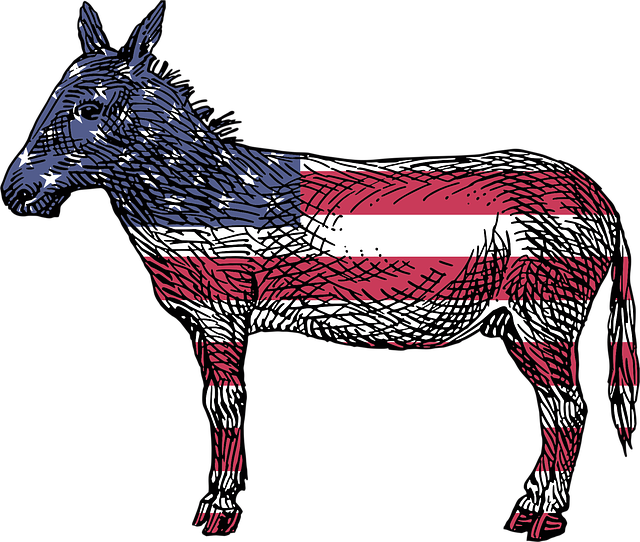
We are still a year away from any serious Democratic contender officially launching a 2028 presidential campaign. But that’s not stopping pundits from already sizing up the field and sorting potential candidates into buckets.
This week, I saw that Galen Druke, host of the GD POLITICS Podcast, shared his current thinking about how to group potential 2028 candidates: 1) Trump for Democrats: Candidates who capture the outrage of the Democratic party; 2) Return to Obama: Strong communicators who bring people together; 3) Trump Antithesis: Anti-corruption campaigners who want to rebuild ethics and norms; 4) Liberalism Becomes the New Conservatism: Candidates who run on previously conservative issues like addressing the national debt, stop government meddling in business, and protect individual liberty; 5) Sui Generis: Candidates who have strong name recognition or a money advantage but otherwise don’t have a conventional case for a presidential run.
These categories didn’t sound quite right to me — or at least not analytically useful. So just for fun, I brainstormed my own way of categorizing the potential 2028 Democratic field.
To me, the most useful way to sort the candidates is to identify the strategies they will likely use to stand out and make their case for why they should be President. Here are the “buckets” I came up with:
GOP Fighters: Slam Trump, Vance, and the GOP.
System Fighters: Slam elites and support populist policies.
Reformers: Persuade and build momentum around reform.
Pragmatists: Emphasize their record of getting results.
Electability Touters: Emphasize their biography and electability.
Heir Apparent: Emphasize their high-level qualifications, positioning them as the next in line for the Democratic nomination.
Iconoclasts: Aggressively distance themselves from the Democratic brand.
Below, I’ll categorize the potential 2028 candidates based on what I sense their main strategy would be. And I’ll outline the pros and cons of each approach.
GOP Fighters
What is the main strategy of GOP Fighters?
Main Strategy: Slam Trump, Vance, and the GOP.
These candidates bring the fire to MAGA, delivering spicy zingers that go viral and relentlessly bashing everything that’s wrong with the GOP. They satisfy Democrats’ desire to find strong leaders who will hold the Trump administration and its GOP enablers accountable for their lawlessness, cruelty, corruption, and incompetence. They thumb their noses at Michelle Obama’s “when they go low, we go high” mantra and will gladly wrestle in the mud with Trump and Vance.
Who are potential GOP Fighters in the 2028 Democratic field?
Gavin Newsom
JB Pritzker
Every 2028 Democratic candidate will attack MAGA to some extent, but I suspect it won’t be the main strategy of most candidates. Looking at the potential field, Gavin Newsom and JB Pritzker appear most likely to rely on this strategy. Right now, Newsom is considered the ultimate GOP Fighter in the Democratic party — trolling and parodying Trump on social media and fighting Trump’s gerrymandering push by redistricting in California.

Strengths of being a GOP Fighter
At a time when Democratic voters are looking for a strong leader who will fight for them, it’s valuable to be perceived as an attack dog.
Sparring with the GOP is also a reliable way to get attention and excite primary voters. A fiery retort is much more likely to go viral than a policy discussion.
And unlike policy debates, slamming the GOP is an easy way to unify the big messy coalition of the Democratic party, because disgust with MAGA is one thing that all Democrats have in common.
Potential pitfalls of being a GOP Fighter
Over the course of a year-long presidential primary, it’s tough to sustain momentum by constantly focusing on the GOP. During town halls, interviews, and debates, voters will want to hear what candidates are for, not just what they are against.
Political attacks can also get stale. An attack line might generate a big reaction the first time it’s used, but it becomes less and less potent the more times people hear it. So to keep grabbing attention, GOP Fighters may feel pressure to use hotter and hotter rhetoric, becoming more bombastic and vitriolic — which can be overly polarizing and hurt their electability in swing states.
Also, delivering a zinger against the GOP is not a particularly difficult or special skill. Other types of candidates can also throw rhetorical punches at MAGA whenever it’s strategic to do so. Over time, GOP Fighters may find it increasingly difficult to stand out from other types of Democratic candidates.
Candidates who build their brand around being a GOP Fighter may lose credibility if they try to pivot to a more conciliatory, unifying tone. GOP Fighters may also undercut their brand if voters think they talk a big game but don’t follow through with action.
System Fighters
What is the main strategy of System Fighters?
Main Strategy: Slam elites and support populist policies.
Similar to GOP Fighters, System Fighters use fiery rhetoric that gets voters’ hearts pumping and channels the deep outrage that Democratic voters feel during the Trump era. But unlike GOP Fighters, System Fighters aim their political fire at all elites — the wealthy, the powerful, the gatekeepers — including elites within their own party. These candidates argue that the game is rigged, the system is broken, and everything is a scam. They call for ripping power away from elites and giving it to the working class to deliver expansive benefits, services, and rights to everyday people.
Who are potential System Fighters in the 2028 Democratic field?
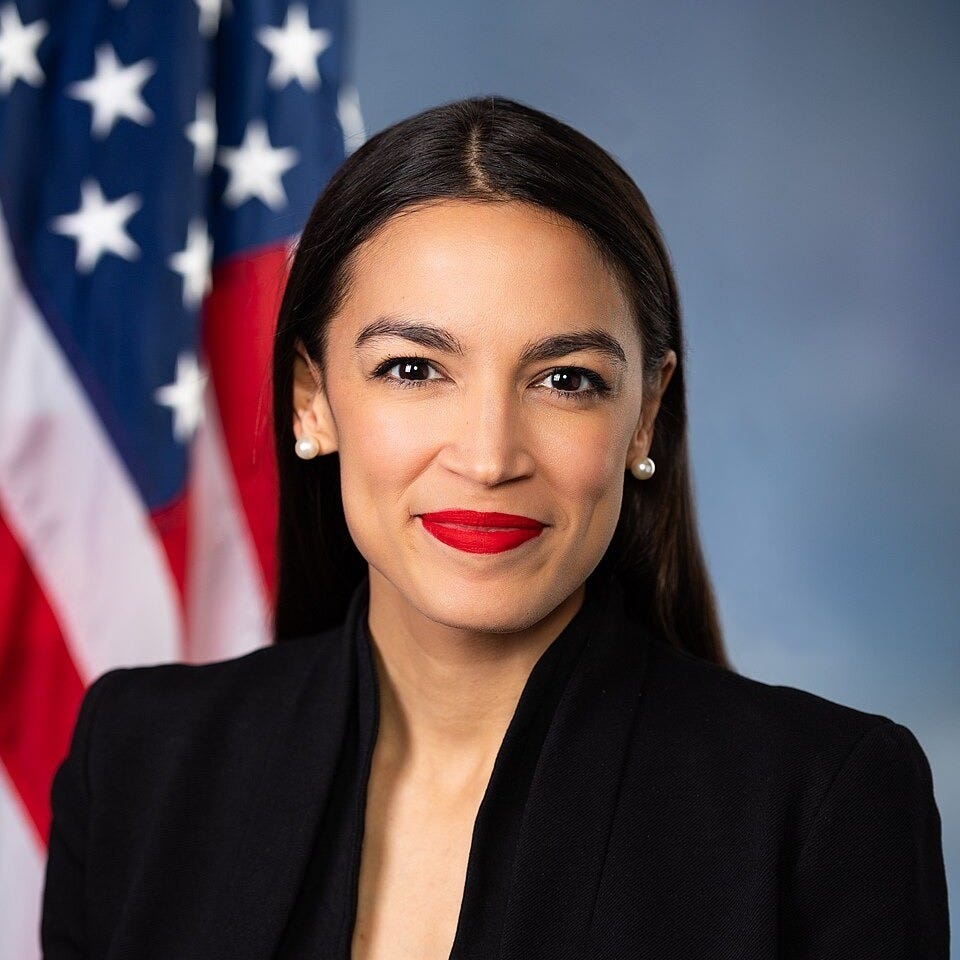
Alexandria Ocasio-Cortez
Ro Khanna
Several 2028 candidates might try to move into the System Fighter lane or dip a few toes in it, but I think it’s probably too late for potential candidates to authentically reposition themselves into this category. AOC and Ro Khanna have had this brand for years, so they have the strongest claim to it.
Last year, AOC joined Bernie Sanders on the “Fighting Oligarchy” tour, which was the perfect example of the System Fighter message and style.
Strengths of being a System Fighter
System Fighters have a very simple, galvanizing message that can get attention and energize grassroots supporters. They offer populist economic policies, and it’s easy for voters to understand how those policies would tangibly change their everyday lives.
In the past, System Fighters’ demonization of wealthy elites has perhaps sounded conspiratorial to many voters. But after seeing billionaire President Donald Trump invite ultra-billionaire Elon Musk to tear apart the federal government and harm everyday people for his own benefit, the System Fighter message probably resonates more strongly with voters than ever.
There is also a feeling of moral clarity and authenticity to System Fighters. They can appeal to Democratic primary voters — especially young voters — who are outraged and looking for leaders with a moral compass that they can trust.
Potential pitfalls of being a System Fighter
To maintain their reputation for moral clarity and authenticity, System Fighters tend to be susceptible to pressure from activist groups. They are often pushed to take ideologically “pure” stances that may go far outside the mainstream of public opinion, which hurts their electability in a general election. They may also be pushed to support policies that appear infeasible or unrealistic to most voters.
System Fighters’ demonization of corporations and wealth can be a turn-off to many swing voters, who are more prone to view businesses, entrepreneurs, and money in a positive light.
If they’re not careful, System Fighters also run the risk of appearing overly preachy and self-righteous, which many voters find annoying. If a candidate appears too rigid in their views, voters may feel like they are not truly listening and are not recognizing important nuances or complexities in the real world.
And when System Fighters make any slight attempt to moderate some of their stances or strike a more conciliatory tone, their own supporters may accuse them of copping out or being bought by the elite. So it’s difficult for them to adapt and pivot over the course of a campaign.
Reformers
What is the main strategy of Reformers?
Main Strategy: Persuade and build momentum around reform.
Reformers gain traction by building excitement and consensus around big ideas. They may have many similarities with System Fighters in terms of policy ambition, but they view themselves as building something rather than fighting something. They are less prone to use vitriolic rhetoric, and they tend to view everyone as a potential partner, rather than demonizing certain groups.
Who are potential Reformers in the 2028 Democratic field?
Pete Buttigieg
Chris Murphy
It’s possible that many candidates will run as Reformers in the 2028 field. For example, I’ve seen glimmers that Elissa Slotkin and Ruben Gallego are offering policy ideas that could position them in this lane.
I suspect most pundits would probably mis-categorize Pete Buttigieg in the Pragmatist group — and he definitely shares many similarities with Pragmatists — but the signature policies of his 2020 campaign were big structural democratic reforms. In the 2020 field, he was the only candidate who seriously discussed proposals for expanding and depolarizing the Supreme Court to be less politically partisan. I think this firmly puts him in the Reformer group.
I sense that Chris Murphy wants to move toward the System Fighter lane, but I think the Reformer group is closer to his actual politics.

Strengths of being a Reformer
Reformers bring hope and positivity. They use their campaign as an opportunity to sway public opinion on big policy ideas — which gives these candidates a sense of deep purpose even if they don’t win. And if they do win, they’ve earned a mandate to accomplish transformative changes.
If they have compelling ideas and can persuade people to support them, Reformers’ campaigns can be very inclusive and inviting to people across the political spectrum, broadening the Democratic tent.
After seeing the darkness of the Trump era and watching institutions get destroyed or corrupted, voters may be in the mood for big reforms in 2028.
Potential pitfalls of being a Reformer
It can be tough to get voters excited about big reforms, because it’s often not obvious or intuitive how those reforms would tangibly make their everyday lives better. Voters want immediate results, and they may be skeptical of reforms that sound too difficult or will take too long to achieve. Or even worse, they may be scared of reform and have deep concerns about a proposed policy, which hurts a candidate’s electability.
Reformers can easily get dragged into wonky, divisive debates about policy specifics. This can be draining and cause them to lose momentum. Voters may lose interest in debates that sound too academic or technocratic.
And if a Reformer appears too focused on just one policy area, it’s hard for voters to picture that candidate as a President who has to deal with all types of issues.
To win as a Reformer, a candidate probably needs exceptional communication skills, persuasion power, and persistence to continuously engage all types of voters. Those are rare skills and talents that can’t be learned quickly or easily.
Pragmatists
What is the main strategy of Pragmatists?
Main Strategy: Emphasize their record of getting results.
Pragmatists have a fairly straightforward message: “I have gotten stuff done in the past, and therefore, I will get stuff done for you in the future.” They have a professional managerial style with a clear mission, values, and priorities. They avoid proposing anything that might sound scary or revolutionary. They want to take care of the basics, make reasonable improvements to everyday life, and provide stability. They avoid culture wars and avoid getting bogged down in feuds with Republicans. They try to make decisions based on data and real-world results, not based on ideology.
Who are potential Pragmatists in the 2028 Democratic field?
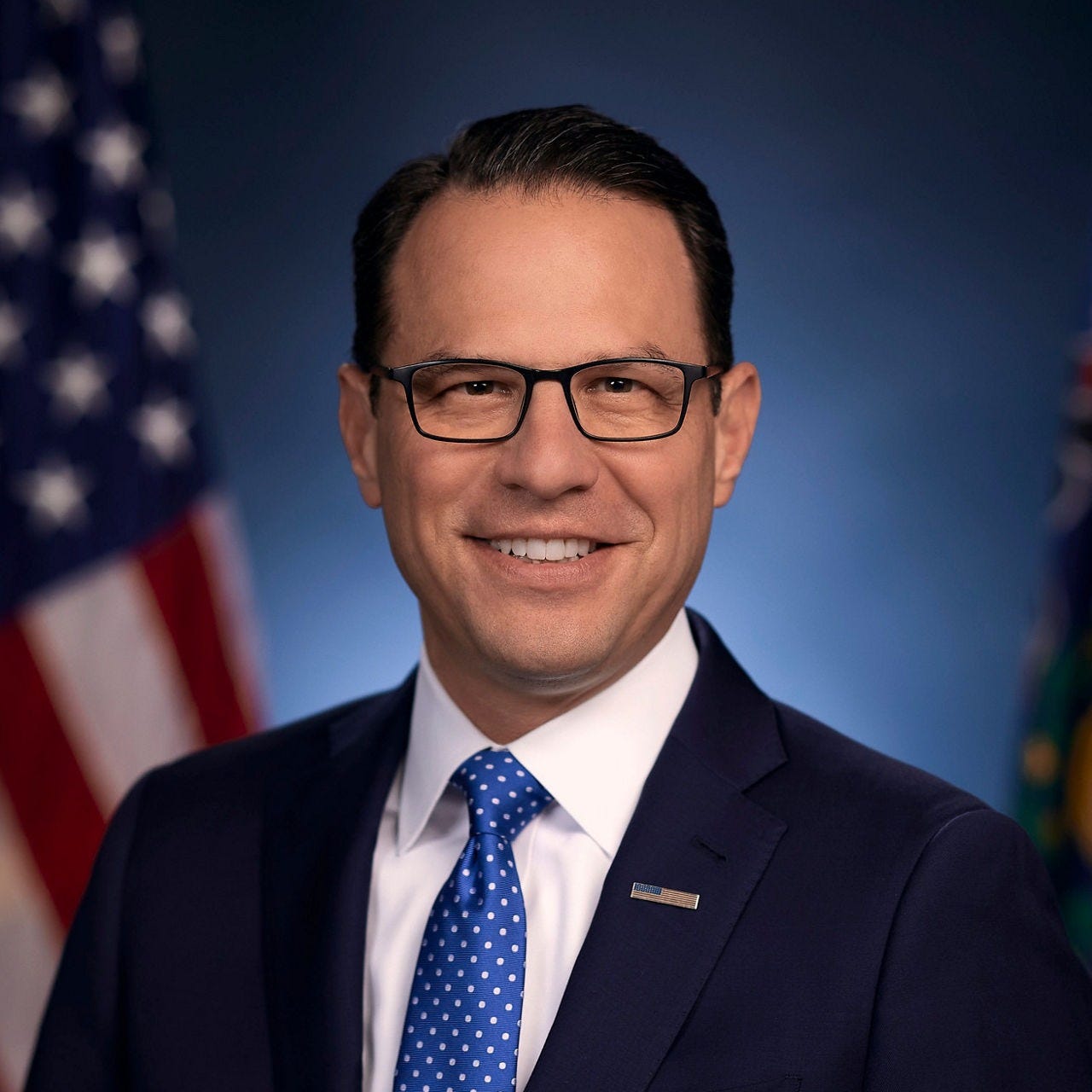
Josh Shapiro
Gretchen Whitmer
Wes Moore
Pragmatists tend to be Governors, mayors, or other executive leaders, who can point to real-world accomplishments. Senators and Representatives can also be Pragmatists, but it’s perhaps less easy for them to tout their achievements since voters have a cynical view of Congress’s productivity and usefulness.
Josh Shapiro, Gretchen Whitmer, and Wes Moore are all examples of Governors who — basically every time you see them — will readily say, “I get stuff done. Here are examples of things I’ve gotten done.” They have similarities with Electability Touters, but first and foremost, they want people to know about their work.
Strengths of being a Pragmatist
If political analysts could handpick the Democratic nominee, they would probably choose a Pragmatist, because this tends to be the politically safest type of candidate. Pragmatists are well within the mainstream of public opinion, and they often have a track record of winning swing states. They have accomplishments that they can show for themselves, which lends them credibility with swing voters. They tend to have good relationships with the business community, so they are less likely to get bombarded with attack ads smearing them as radical socialists.
Because of these strengths, Pragmatists generally don’t have trouble raising money to start a campaign, and they often earn many endorsements from within the party.
Potential pitfalls of being a Pragmatist
There’s an old saying, “Democrats fall in love. Republicans fall in line.” That has been less true during the Trump era, but there’s still a lot of truth in it.
It can be tough for Democratic primary voters to fall in love with a Pragmatist. From a policy standpoint, Pragmatists don’t speak to the grand hopes and aspirations of Democrats. And from a stylistic standpoint, they may struggle to speak to the deep outrage that Democrats feel toward MAGA.
To win the Democratic primary as a Pragmatist, candidates probably need a healthy dose of charisma, strong debate skills, or something unique that makes them stand out. Otherwise, they tend to jumble together in voters’ minds.
Pragmatists can easily rattle off a list of their accomplishments in their state, but they often struggle to connect these achievements with a bigger message that resonates across the country.
And if there are any glaring problems in a Pragmatist’s governing record, their whole case for becoming President can fall apart. If their main argument is that they are competent and can get results, their policy record will have to meet a very high bar.
Electability Touters
What is the main strategy of Electability Touters?
Main Strategy: Emphasize their biography and electability.
Electability Touters argue that there’s something unique about their biography that makes them more electable than other candidates. They may have a lot of similarities with Pragmatists, but they tout their biography more than they tout their accomplishments.
Unlike Reformers, Electability Touters tend to avoid running on big policy ideas that could threaten their electability. They also don’t want to hurt their electability by being too polarizing, so they tend to be less aggressive than GOP Fighters and System Fighters.
Who are potential Electability Touters in the 2028 Democratic field?
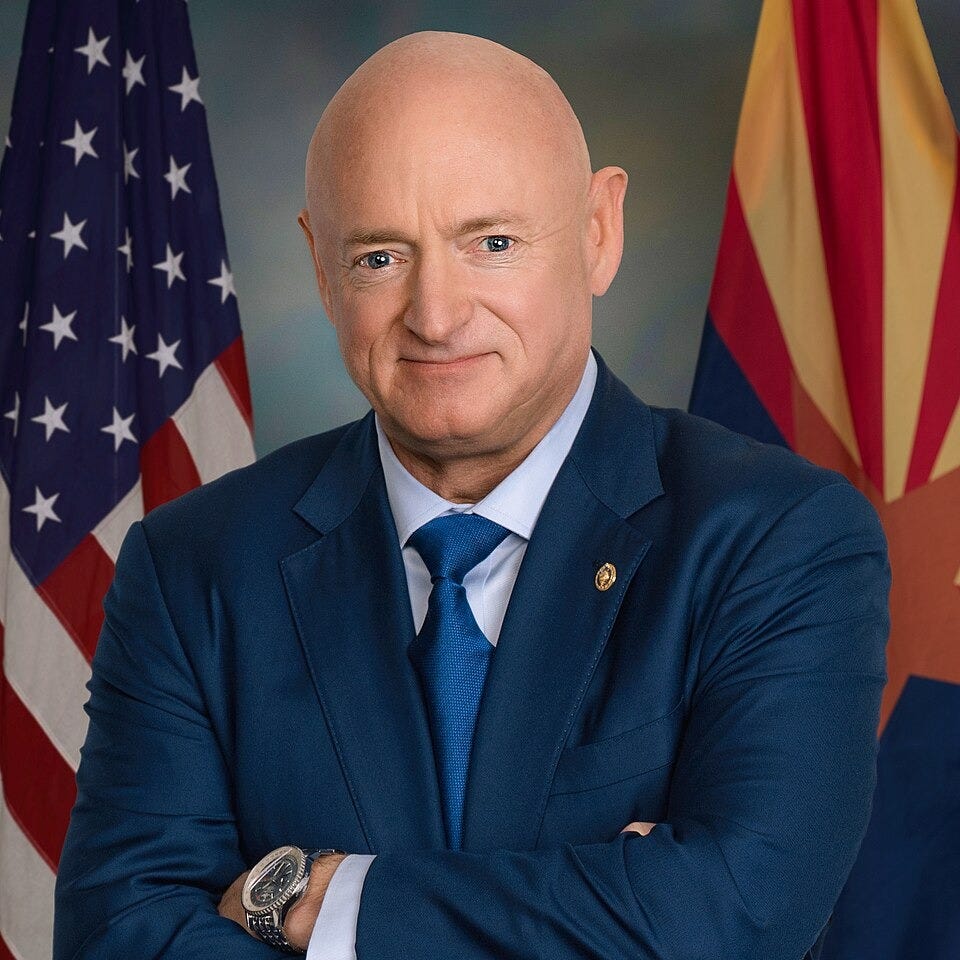
Mark Kelly
Andy Beshear
So far, I would describe Mark Kelly and Andy Beshear as the two most likely Electability Touters in the 2028 field.
Kelly has an extraordinary biography that commands widespread respect — as an astronaut, Navy veteran who served in the Gulf War, husband of Gabby Giffords, and Senator from a swing state. When people think of Kelly, they don’t think about particular policy accomplishments or a big policy vision. They think about his biography. He recently has been fighting back against attacks from the Trump administration after he recorded a video informing US soldiers that they don’t have to follow illegal orders. So it may be tempting to put him in the GOP Fighter group, but I don’t think fighting the GOP would be his main strategy in a presidential campaign.
Beshear talks like a Pragmatist, but first and foremost, he wants voters to know that he won the deeply red state of Kentucky multiple times as a Democrat. And compared to Pragmatists, Beshear’s policy accomplishments are a little more modest, because Republicans have a supermajority in Kentucky’s legislature, which significantly constrains his power. That is why I mainly see him as an Electability Touter.
Strengths of being an Electability Touter
Democrats desperately want need to win in 2028. Politicians can have the best ideas in the world, but it doesn’t matter unless they can win. So electability is one of the most important things that Democratic primary voters consider during a campaign.
This is why Electability Touters automatically receive a high level of respect and prominence in a primary campaign. They can simply point to their biography to be taken seriously as a presidential candidate.
If their biography is compelling enough and they have some charisma, they can attract support from voters who just want a likeable candidate who can win.
Potential pitfalls of being an Electability Touter
I think Electability Touters are the most likely to underperform expectations on the campaign trail. If a candidate depends too much on touting their biography and their past electoral successes, it’s hard for voters to see themselves in that message. Ultimately, voters want to know what a candidate plans to deliver for them, and Electability Touters often are less prepared to answer those types of questions.
And Electability Touters have to maintain voters’ perception of their electability, which is not easy. Anything that harms this perception can destroy their whole argument for becoming President. If any scandals arise, if polls show that they’re not as electable as they claim, if they look weak during a debate, if they struggle to answer voters’ questions at a town hall — any of these things could tarnish their image as a safe, electable candidate.
Heir Apparent
What is the main strategy of an Heir Apparent?
Main Strategy: Emphasize their high-level qualifications, positioning them as the next in line for the Democratic nomination.
An Heir Apparent is the candidate whose supporters might argue, “It’s their turn. They’re the most qualified. They deserve the nomination.” This candidate has deep relationships and loyalty within the Democratic party. They have held a very high-ranking position that gives them a level of name recognition and prestige that other candidates don’t have.
Who is a potential Heir Apparent in the 2028 Democratic field?
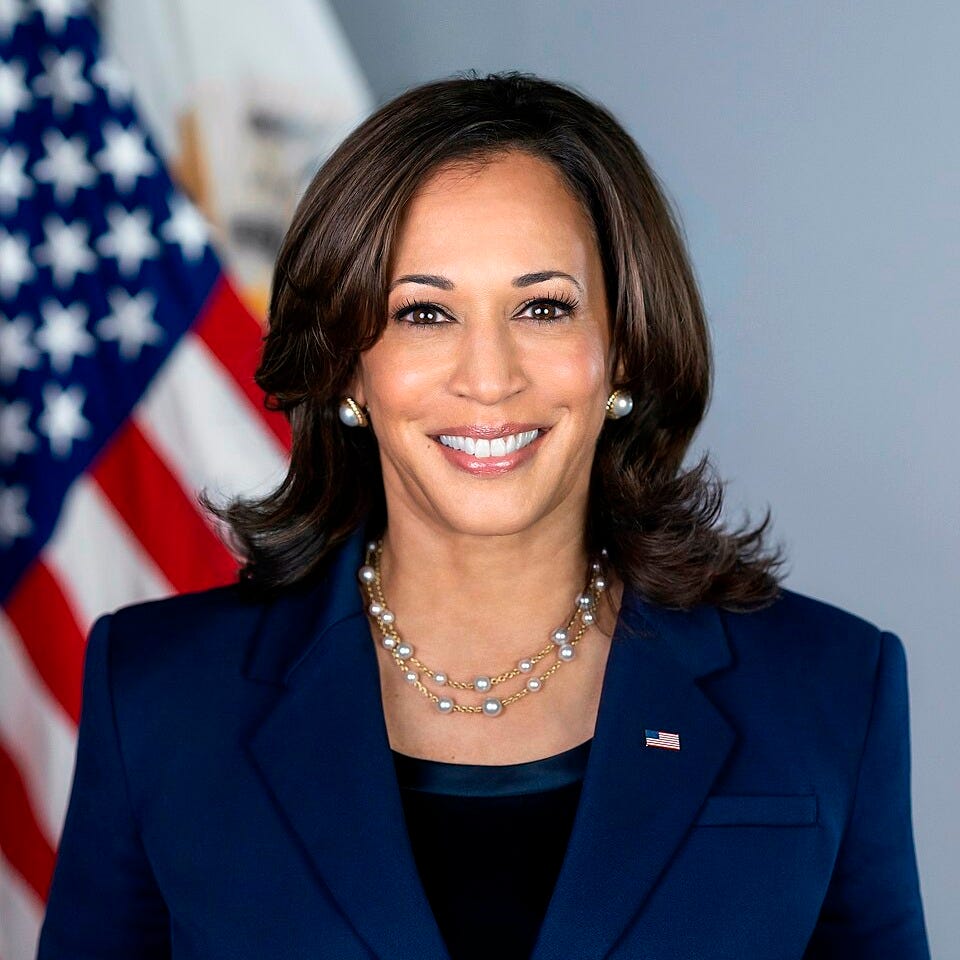
Kamala Harris
As the most recent Democratic Vice President — and the first woman Vice President in US history — Kamala Harris could attempt to run for President again as an Heir Apparent. Some Democrats believe that Harris did not get a fair chance in 2024 and that she deserves another shot in 2028. In polls, she maintains strong loyalty among certain groups within the Democratic base, especially Black Democratic voters.
Strengths of being an Heir Apparent
Over the past decade, Heirs Apparent have performed very well in Democratic presidential primaries — namely, Hillary Clinton in 2016 and Joe Biden in 2020. Even if they are not especially talented on the campaign trail, an Heir Apparent often has a strong path to victory as long as they maintain loyalty and respect within the party’s base.
Potential pitfalls of being an Heir Apparent
It’s possible for a candidate to lose their status as an Heir Apparent if Democratic primary voters worry that they are not a strong candidate. This nearly happened to Joe Biden in the 2020 primary after he did not perform well in Iowa, New Hampshire, and Nevada. If Rep. Jim Clyburn had not endorsed Biden and if Biden had not won South Carolina, the party probably would not have coalesced around him before Super Tuesday.
So an Heir Apparent has to keep proving themself and demonstrate that they are strong enough to win. It is not guaranteed that they will consolidate support. It is not guaranteed that other candidates will drop out and endorse them.
And in our current political climate, I think voters increasingly feel cynical about the concept of an Heir Apparent. Many voters feel like the primary system is rigged in favor of whoever is “next in line” in the party. If voters feel like the primary process is not fair, this can cause division within the party and hurt the Democratic nominee’s ability to win the general election. Arguably, this is what happened in the 2016 election, when Hillary Clinton was weakened by accusations of unfairness in the primary.
Iconoclasts
What is the main strategy of Iconoclasts?
Main Strategy: Aggressively distance themselves from the Democratic brand.
Voters’ perception of the Democratic brand has fallen in the toilet in recent years, exacerbated by Democrats’ loss in 2024. Working class voters see Democrats as “woke, weak and out-of-touch” — according to a 2025 study funded by Democracy Matters. So Iconoclasts take an aggressive approach to distance themselves from unpopular parts of the Democratic brand, even if it means abandoning some of the party’s core values and enraging certain constituency groups within the Democratic coalition.
Who are potential Iconoclasts in the 2028 Democratic field?
Rahm Emanuel
John Fetterman
One prime example of the Iconoclast strategy was Rahm Emanuel’s interview with right-wing host Megyn Kelly, during which he slammed the Democratic party and answered “no” when asked “Can a man become a woman?” This was a sharp break from Democrats’ belief in respecting the existence and dignity of transgender people.
I’m not sure whether John Fetterman is interested in running for President, but if he is, he would be part of this Iconoclast category as well. Fetterman has bucked the Democratic party by repeatedly taking Trump-like stances on foreign policy and immigration enforcement, which many Democrats see as a callous disregard for human rights.

Strengths of being an Iconoclast
Candidates can certainly draw attention when they very sharply break with the Democratic party on a core value. This creates the appearance of independence from the party at a time when the Democratic brand is struggling. In theory, this could make a candidate more electable in a general election.
Potential pitfalls of being an Iconoclast
As far as I can tell, there is very little appetite for Iconoclasts among Democratic primary voters. It’s difficult to see a path for this type of candidate to win the primary — unless that candidate is supernaturally charismatic or has other positive qualities that can overcome the backlash from within the party.
Wanderers?
I considered creating a category called Wanderers to capture any candidates who are difficult to sort into the seven categories described above. But it’s unfair and way too premature to judge whether potential 2028 candidates are lacking a clear strategy.
That said, we can look back at the 2020 Democratic primary to see examples of Wanderers. For instance, I remember scratching my head that Kamala Harris and Beto O’Rourke seemed to abruptly bounce between different strategies over the course of their campaigns — which was probably a warning sign that their candidacies were in trouble.
I’m not saying that candidates should only use one rigid strategy. But it’s a red flag if it looks like a candidate is starting to throw different things at the wall to see what sticks. And it’s a red flag if you can’t identify their main strategy for convincing voters to support them.
My Unsolicited Advice
If I could gather the dozens of potential 2028 Democratic candidates in a room and force them to listen to unsolicited advice, here’s what I’d tell them:
It’s a healthy exercise to identify which category best fits your case for becoming President. If you can’t identify it, you may need to do some soul-searching about why voters should choose you.
Recognize the potential pitfalls of being in a given category. Consider how you would avoid, overcome, or counteract those pitfalls.
Consider how you might borrow elements from other strategies to complement your main strategy.
Think about what makes you stand out from other candidates who are in the same category. What can you offer that they can’t?
Know who you are. Don’t run for President if you don’t know who you are and what you stand for.
Great analysis.
It would be interesting to see you put more of the past candidates from 2020 (there were so many) into these buckets based on how they ran then.
As much as I enjoy the analysing though I am also concerned that the election system is deeply compromised and that's how Trump's second term came about against all odds.
Plus the billions his cronies have available to spend are sadly not matched by those who are prepared to invest in democracy. It's hard to stay optimistic about any candidate in this context.